The Importance of Symmetry in Fitness
Symmetrical fitness may not be the buzzword on every gym-goer’s lips in 2026, but it should be. Achieving a balanced body isn’t just about aesthetics—it’s about enhancing your overall health, improving performance, and preventing injuries. When your body is symmetrical, you optimize the interplay between strength, flexibility, and coordination. Just imagine: a body where both sides are equally strong, balanced in flexibility, and move in harmony.
Understanding the Mechanics of Muscular Balance
Muscular balance refers to the equal strength and function of muscles on both sides of the body. This doesn’t mean each muscle group needs to be identical in size, but rather that they perform equally well under stress. For example, if your left leg is weaker than your right, it could lead to an imbalanced gait, eventually causing hip or back pain. A 2026 study from the University of California highlighted that athletes with better symmetry in their lower body had a 20% reduction in injury risk.
Creating a Symmetrical Training Plan
To achieve balance, you’ll need a tailored workout strategy that focuses on unilateral exercises. Here’s a thought: instead of always opting for the barbell bench press, try the dumbbell bench press. It forces each arm to work independently, thus evening out any strength disparities. Similarly, incorporate exercises like single-leg squats and single-arm rows. These moves not only help correct imbalances but also enhance core stability and coordination.
Mindful Movement Practices
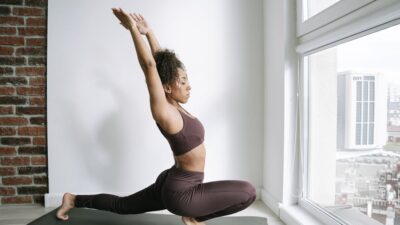
Yoga and Pilates are perfect partners in your quest for symmetry. These disciplines emphasize both strength and flexibility, ensuring your muscles are strong and pliable in equal measure. Studios across major cities like New York and San Francisco have rolled out classes specifically designed to improve body symmetry. Why not try a class or two? You’ll be surprised at how effectively they can pinpoint and address those hidden imbalances.
The Role of Technology in Achieving Balance
In 2026, technology plays a crucial role in fitness, and achieving symmetry is no exception. Wearable devices can now track your gait and muscle activity to pinpoint imbalances. Apps such as SymmetriFit offer personalized workout plans by analyzing this data to focus on your weaker sides. With advancements in AI and biomechanics, technology is your ally, offering unprecedented insights into your body’s unique needs.
Food and Nutrition for Symmetrical Strength
Nutrition is often an overlooked aspect of achieving muscular balance. A diet rich in protein, omega-3 fatty acids, and antioxidants is vital for muscle repair and growth. Consider incorporating foods like quinoa, salmon, and kale into your meals. These not only support muscle function but also reduce inflammation, ensuring that your body operates at peak symmetry.
Incorporating these strategies into your lifestyle will help you achieve a more balanced physique and enhance your overall well-being. Remember, a symmetrical body is not just about how you look but how you move and feel. By focusing on balance, you’ll not only improve your fitness but also your quality of life.