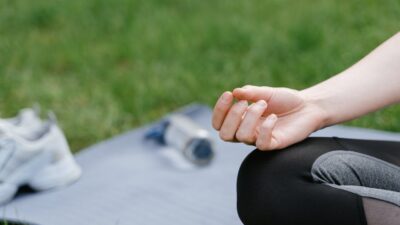
The Urban Green Fitness Movement
As we navigate through the bustling life of 2026, a surprising trend is taking root across major cities worldwide: the revival of urban green fitness. This movement is not just about jogging through your local park; it’s a holistic approach to exercise that combines nature, community, and creativity, redefining how we perceive fitness in urban settings.
The Benefits of Exercising in Urban Parks
City parks have become more than just patches of greenery amidst concrete jungles. They are thriving fitness hubs. The benefits of working out in these urban oases are manifold. First, the exposure to nature—fresh air, trees, and open spaces—can significantly reduce stress levels and boost mental health. Recent studies suggest that exercising in green spaces can decrease levels of cortisol, the stress hormone, by up to 15% compared to indoor workouts.
Moreover, urban parks often host a variety of terrains, from flat pavements to hilly trails, providing a diverse workout environment that challenges different muscle groups. The variety helps improve balance, coordination, and overall physical endurance.
Incorporating Community and Creativity
The resurgence of fitness in city parks isn’t just about solitude amid greenery. It’s about community. Many urban parks now host community fitness events, ranging from yoga classes and tai chi sessions to boot camps and dance workshops. In Bryant Park, New York, weekly yoga classes attract hundreds, fostering a sense of community, camaraderie, and shared motivation.
Beyond scheduled classes, there’s a surge in creative, spontaneous group activities. Flash mob fitness sessions and pop-up obstacle courses promote inclusivity and encourage people of all fitness levels to participate. These activities not only provide physical benefits but also strengthen community bonds.
The Role of Public Policy and Urban Planning
The renaissance of urban green fitness is not happening by chance. Progressive public policies and innovative urban planning have been crucial. Cities like San Francisco and Copenhagen are leading the way with initiatives that prioritize green spaces and pedestrian-friendly environments. New public fitness installations, such as climbing walls, calisthenics stations, and outdoor gyms, are sprouting across parks, providing free access to quality fitness equipment.
Furthermore, cities are investing in programs that integrate art and fitness, like the ‘Art in Motion’ trails in Toronto, encouraging people to engage in physical activity while enjoying public art displays. These initiatives highlight how urban planning can shape healthier, more active communities.
The Future of Urban Green Fitness
Looking ahead, urban green fitness is poised to become an integral part of city life. With technological advancements such as augmented reality fitness apps, users can now enhance their park workouts with virtual guides, challenges, and social connectivity. Apps like ‘ParkFit’ are gaining popularity, offering personalized workouts tailored to the specific features of different parks.
Additionally, as cities continue to expand and redefine their spaces, the integration of technology, nature, and fitness will likely become even more innovative. From biofeedback stations that provide real-time health analytics to solar-powered charging stations for wearable tech, the possibilities are endless.
Embrace the Green Fitness Revolution
If you’re seeking a new way to invigorate your fitness routine, look no further than your nearest city park. Embrace the energy of the urban green fitness movement by joining a community class, exploring new trails, or simply enjoying a mindful walk amidst nature. Not only will you boost your physical health, but you’ll also contribute to a growing movement that values sustainability, community, and well-being.
So, lace up your sneakers and head to a park near you. The city is your gym, and the opportunities for growth are all around you.