Understanding the Sleep-Fitness Connection
In 2026, the science of sleep is more advanced than ever, shedding light on its crucial role in fitness and overall well-being. Sleep is no longer just a resting phase; it’s a dynamic period of recovery and rejuvenation. High-quality sleep fortifies the body, enhances cognitive function, and boosts physical performance. Athletes and fitness enthusiasts now prioritize sleep as much as their workouts, knowing that it can be the secret weapon for unlocking their full potential.
The Stages of Sleep and How They Affect Fitness
Sleep consists of several stages, each contributing uniquely to physical health. During deep sleep, the body releases growth hormones essential for muscle repair and growth. REM sleep enhances brain function, aiding in mental clarity and focus. By understanding and optimizing these stages, you can significantly improve your workout efficiency. Aim for 7-9 hours of quality sleep, and consider using a sleep tracker to monitor your progress.
Practical Tips for Improving Sleep Quality
- Create a Sleep Ritual: Develop a pre-sleep routine to signal your body that it’s time to wind down. This could include reading, meditating, or gentle stretching.
- Optimize Your Sleep Environment: Ensure your bedroom is cool, dark, and quiet. Invest in a comfortable mattress and breathable linens.
- Limit Screen Time: Reduce exposure to blue light from screens at least an hour before bed. Consider using blue light blocking glasses if necessary.
- Nutrition and Hydration: Avoid heavy meals, caffeine, and alcohol close to bedtime. Stay hydrated but reduce liquid intake in the hours before sleep to minimize nighttime disruptions.
Integrating Sleep into Your Fitness Routine
Integrating sleep into your fitness routine doesn’t mean just ensuring you clock in enough hours each night. It’s about aligning your workouts with your body’s circadian rhythms. Exercise can significantly affect your sleep quality and vice versa. Aim to work out at times that suit your energy levels and promote restful sleep, typically in the late morning or early afternoon. Avoid high-intensity workouts too close to bedtime, as they can elevate adrenaline levels and hinder sleep.
The Role of Tech in Enhancing Sleep and Fitness
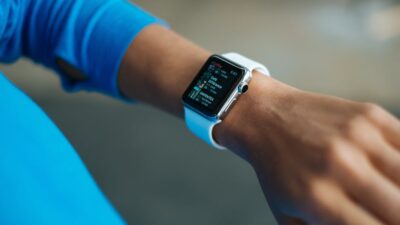
Technology plays a pivotal role in 2026, with innovations designed to enhance sleep and fitness. Sleep apps and wearables offer detailed insights into sleep patterns and suggest personalized improvements. Some devices even regulate bed temperature, sync with lighting systems to simulate natural light, or emit soothing sounds to aid sleep. These tools enable individuals to tailor their sleep environments to their needs, promoting both better rest and improved fitness outcomes.
Your Takeaway for a Restful Night and Active Day
To truly harness the power of sleep for fitness in 2026, prioritize a consistent sleep schedule, create a conducive sleep environment, and use technology wisely. Remember, rest is as crucial as any workout in shaping a fit, healthy body. By respecting the synergy between sleep and exercise, you’re not just improving physical prowess—you’re enhancing overall life quality. Embrace the science of sleep, and watch your fitness journey transform.