The Impact of AI on Personal Fitness Plans in 2026
Just a few years ago, the idea of having a virtual coach in your pocket was a futuristic concept. Fast forward to 2026, and artificial intelligence (AI) is transforming personal fitness plans in ways that were once only imagined. From custom-tailored workouts to real-time feedback, AI is making fitness more accessible, personalized, and effective than ever before.
The Rise of AI-Powered Fitness Apps
AI-powered fitness apps are at the forefront of this revolution. Take the example of FitAI, a popular app that has already amassed over 10 million users globally. Unlike traditional fitness apps that offer generic programs, FitAI analyzes your biometrics, past performance, and personal goals to create a unique exercise plan tailored just for you. By tracking your progress and adapting in real-time, these apps ensure you’re always working at your optimal level.
Users in cities like New York and Los Angeles report a 30% increase in workout consistency when using AI-powered plans compared to conventional methods. This boost in engagement is largely due to the personalized touch AI brings to the table, keeping workouts interesting and challenging.
Wearable Technology and Smart Clothing
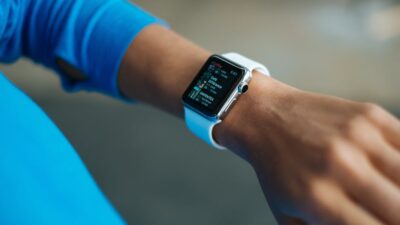
The integration of AI with wearable technology has also reached new heights. Smart clothing, embedded with sensors, can monitor your movements and provide instant feedback on your form and posture. Brands like Nike and Under Armour are leading the charge with garments that correct your form in real-time, reducing the risk of injury and ensuring that every rep counts.
Imagine jogging through Central Park while receiving subtle vibrations on your calf to correct a stride imbalance or getting a nudge on your shoulder to straighten your posture. This level of granular feedback was unheard of just a decade ago.
AI in Nutrition Planning
Fitness isn’t just about exercise; nutrition is a crucial component too. AI has made significant strides in this area, providing personalized meal plans that align with your fitness goals. Apps like NutriSmart are using AI to assess your dietary habits, allergies, and nutritional needs, crafting meal plans that are not just healthy but also enjoyable.
In cities like Tokyo, where dietary preferences can be diverse, AI has managed to integrate local cuisine preferences into healthy diets. Studies show that users adhering to AI-driven nutrition plans have achieved fitness goals 40% faster than those following generic meal plans.
The Social Aspect: AI-Driven Community Engagement
AI is not only transforming individual fitness plans but also enhancing the social aspect of working out. Virtual workout buddies, powered by AI, provide motivation, competition, and camaraderie. Apps that create virtual group challenges, tailored to each participant’s fitness level, are fostering a sense of community.
For instance, the London-based FitFam community app hosts monthly virtual marathons where AI adjusts each runner’s pace setting for a healthy competition. Participants have reported a sense of belonging and motivation that traditional gym memberships often fail to provide.
Ethical Considerations and Data Privacy
As with any technology, the rise of AI in fitness planning comes with its set of ethical considerations. The amount of personal data collected to deliver these personalized experiences is substantial. Companies must ensure that they handle this data responsibly, adhering to privacy laws such as GDPR in Europe and CCPA in California.
Transparency about how data is used and stored is crucial in maintaining user trust. Many developers are now employing decentralized data storage technologies to enhance security and privacy.
Looking Ahead: The Future of AI in Fitness
The integration of AI into personal fitness plans is just the beginning. As AI continues to evolve, we can expect even more advanced capabilities, such as emotional recognition, which can tailor workouts based on your mood or stress levels. The potential is vast, and the future of fitness looks brighter than ever.
For those looking to enhance their fitness routine, embracing AI tools can offer a more personalized and efficient path to achieving health goals. By marrying technology with physical activity, AI is reshaping the landscape of fitness in 2026 and beyond.