Embrace the Power of Wearable Fitness Trackers
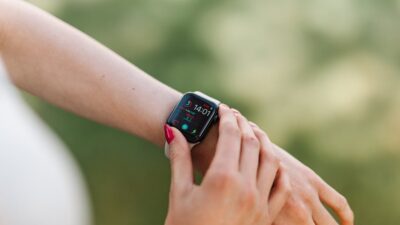
Wearable technology has become an essential companion in the quest for better health. In 2026, these devices have evolved beyond simple step counters. Today’s wearables, such as the Fitbit Versa 5 or the Apple Watch Series 9, offer comprehensive health insights. They track heart rate variability, sleep patterns, activity levels, and even blood oxygen saturation.
These insights are more than just numbers. They paint a detailed picture of your overall wellness, helping you identify trends and adjust your habits accordingly. For instance, if your wearable shows a drop in sleep quality, it might be time to revisit your bedtime routine or check out the latest sleep hygiene research.
Smartphone Apps: Your Fitness Coach in Your Pocket
The range of fitness apps available today is astonishing. From MyFitnessPal to Strava, these apps turn your smartphone into a personal trainer, nutritionist, and workout planner. They provide customized workout plans, real-time feedback, and community support, which can be vital for maintaining motivation.
Consider utilizing the AI-driven capabilities of apps like Aaptiv, which curate workouts based on your fitness level and goals. These apps adapt as you progress, ensuring that your routines remain challenging and engaging. Tracking your calorie intake and expenditure is also simpler than ever, helping you make informed dietary choices without the guesswork.
Virtual Reality: Transforming Your Exercise Experience
Virtual reality (VR) is no longer just for gamers. Fitness platforms like Supernatural and FitXR have gained traction by offering immersive workout experiences. With VR, you can box, dance, or even enjoy a yoga session in a serene virtual environment. It’s a great way to maintain interest, especially if traditional workouts leave you feeling uninspired.
The sense of presence in VR can make workouts feel less like exercise and more like play. This not only increases your enjoyment but also boosts adherence to your fitness regimen. As a bonus, many VR fitness programs track calories burned and heart rate, syncing seamlessly with your wearable devices.
The Role of AI in Fitness
Artificial Intelligence is revolutionizing how we approach fitness. AI personal trainers, such as those offered by platforms like Freeletics, analyze data from wearables and apps to tailor workouts to your individual needs. They adapt routines based on your progress and provide real-time feedback, making personal training accessible to everyone.
AI also plays a critical role in injury prevention. By analyzing your form through motion sensors or video analysis, AI can provide tips to improve technique, reducing the risk of strains or sprains.
Community and Social Features: Motivation Through Connection
Staying motivated can be one of the biggest challenges in maintaining a fitness routine. The social features within many apps and platforms help create a sense of community, which can be a powerful motivator. Many apps, like Nike Training Club or Peloton, offer leaderboards, challenges, and group workouts, fostering a sense of camaraderie and accountability.
Participating in virtual challenges or friendly competitions with friends or strangers can add an element of fun and competition. With GPS and location data, apps even allow you to join virtual races or events, sparking the thrill of competition from your local park or treadmill.
A Practical Takeaway
Technology is not just an accessory in your fitness journey; it’s a catalyst for transformation. By integrating wearables, apps, VR, AI, and social platforms, you can gain comprehensive insights into your health and fitness. This digital ecosystem empowers you to make informed decisions, set realistic goals, and maintain motivation through personalized experiences.
As you embark on or continue your fitness journey, embrace these technological tools. They will not only help you track your progress but also inspire you to push boundaries, ensuring that you stay on track toward achieving your health and fitness goals.