Why Flexibility Matters More Than Ever
In 2026, the fitness world is seeing a significant shift in priorities. While strength and endurance remain key, there’s a newfound focus on flexibility. It’s not just about reaching your toes or perfecting your yoga poses. Flexibility is now recognized as a cornerstone of overall health and wellness.
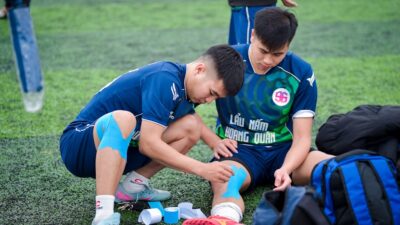
Flexibility affects everything from your posture to your performance in other physical activities. With improved flexibility, you’re less likely to experience injuries, and you can move more efficiently. This is especially critical in an era where people are engaging in a diverse range of activities, from traditional sports to innovative workouts.
The Science Behind Stretching
Studies have shown that regular stretching can enhance your muscle’s ability to perform at its peak. According to recent research from the American College of Sports Medicine, integrated flexibility routines have led to a 20% increase in athletic performance and a 30% reduction in injury risk.
Stretching encourages better blood flow to your muscles, which aids in recovery and muscle growth. It’s also been linked to better cardiovascular health by improving circulation and reducing the heart’s workload.
Types of Stretching Techniques
- Static Stretching: This is the classic stretching technique that involves holding a stretch for 15-60 seconds. It’s best done post-workout to help in cooling down.
- Dynamic Stretching: Involves moving parts of your body through a full range of motion. This type is ideal before workouts as it helps in warming up the muscles.
- PNF Stretching: Proprioceptive Neuromuscular Facilitation is a more advanced form that involves stretching and contracting the muscle group being targeted. It’s shown to improve flexibility faster but should be done under guidance initially.
- Ballet Stretching: Originating from dance practices, this form focuses on balancing flexibility with strength, offering a comprehensive workout for those seeking grace and stability.
Incorporating Flexibility into Your Routine
Flexibility should be seen as an integral part of your fitness plan rather than an afterthought. Aim for at least 10-15 minutes of stretching on the days you exercise. Even on rest days, a quick session can do wonders for your body’s recovery.
A practical approach might include starting with dynamic stretches to warm up, followed by static stretches post-activity. Apps like ‘StretchWell’ or local classes at gyms in major cities like New York or LA now offer dedicated flexibility training sessions to guide you through structured routines.
The Mental and Physical Benefits
Beyond the physical perks, stretching is a form of moving meditation. Taking time to stretch can be an opportunity to clear your mind, focus on your breath, and promote mental calmness. As people in 2026 increasingly seek holistic health solutions, this dual benefit of physical and mental wellness makes stretching an appealing choice.
Improved flexibility has also been linked to better sleep quality. By calming the nervous system and relieving tension, flexibility exercises can help you fall asleep faster and enjoy deeper, more restful sleep.
Practical Takeaway
As you navigate your fitness journey in 2026, remember to prioritize flexibility. Whether you’re a seasoned athlete or just starting, incorporating regular stretching sessions can lead to profound improvements in your physical performance and mental wellbeing. Start today, and feel the difference in your body’s capabilities and your mind’s clarity.