Why Flexibility Training Should Be Part of Your Routine in 2026
As we continue to navigate the complexities of modern life, our fitness routines have evolved significantly. In 2026, the importance of flexibility training is increasingly recognized not just by professional athletes but by everyone seeking a healthier lifestyle. But why is flexibility training gaining so much attention these days? Let’s delve into the myriad of benefits that make it a crucial component of any fitness regimen.
The Science of Flexibility
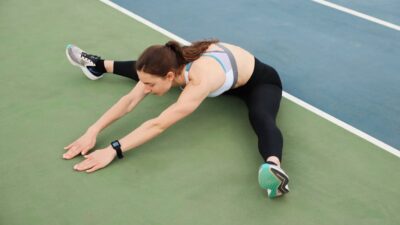
Flexibility refers to the range of motion available in a joint or group of joints and the length of muscles that cross the joints. A 2025 study published in the Journal of Applied Physiology highlighted that people who engaged in regular flexibility exercises saw a 20% increase in their range of motion over six months, compared to those who did not perform these exercises. This increased range of motion is not just beneficial for athletes; it has practical applications for everyone. From easing the stiffness of everyday living to enhancing overall physical performance, flexibility plays a pivotal role.
Reducing Injury Risk
One of the primary reasons to incorporate flexibility training into your routine is injury prevention. By improving the elasticity of muscles and tendons, flexibility training reduces the likelihood of strains and sprains. A 2024 report from Stanford University’s Sports Medicine Department noted that individuals who performed flexibility exercises three times a week experienced 30% fewer injuries compared to those who only engaged in strength training. This statistic is a compelling reason to make flexibility a staple in your workout plan.
Enhancing Athletic Performance
For those who enjoy competitive sports, flexibility can significantly enhance performance. Think of it as the unsung hero of athletic prowess. Whether you’re sprinting down the track in Boston or cycling through the hills of San Francisco, flexibility can improve your efficiency and speed. A flexible body moves more fluidly, which translates into better execution of movements and a lower energy cost. Athletes around the world are now dedicating more time to flexibility routines, using tools such as yoga and Pilates to give them a competitive edge.
The Mental Benefits
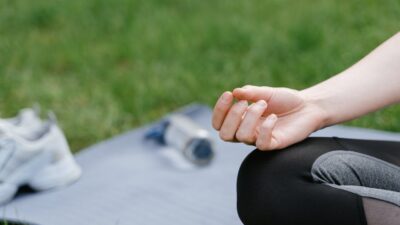
Flexibility training is not just about physical benefits; it also has profound mental advantages. Practices like yoga and Tai Chi, which incorporate flexibility work, are renowned for their calming effects. These exercises help reduce stress levels and improve mental clarity, offering a serene escape from the hustle and bustle of city life, be it in New York or Los Angeles. By dedicating just 15 minutes a day to flexibility exercises, you can foster a sense of peace and mindfulness that permeates other areas of life.
Improving Posture and Balance
In an age where many of us are hunched over computers or mobile devices, poor posture has become a common issue. Flexibility training can help counteract these effects by elongating tight muscles and strengthening those that are weak. Improved posture not only makes you look taller and more confident but also alleviates the back and neck pain associated with prolonged periods of sitting. Furthermore, by enhancing your balance, flexibility exercises can prevent falls and improve the quality of movement, especially important as we age.
Ways to Incorporate Flexibility Training
Adding flexibility training to your fitness routine can be simple and enjoyable. Here are some practical methods:
- Dynamic Stretching: Unlike static stretches, dynamic stretches involve movement and are usually performed as a warm-up before physical activity. Think leg swings or arm circles.
- Yoga: With studios in almost every city, from Seattle to Miami, yoga classes are accessible and cater to all levels. They offer structured flexibility training with the added benefit of mental relaxation.
- Pilates: This exercise regime focuses on core strength and flexibility, making it a favorite among those looking to improve their range of motion. Pilates classes or online sessions can easily be incorporated into your weekly schedule.
- Personalized Stretching Routines: With the advent of fitness apps, personalized stretching routines are just a click away. Apps like StretchIt or ROM Coach provide tailored flexibility plans to suit your specific needs and goals.
Your Next Steps
So, what’s the practical takeaway here? Begin by allocating 15-30 minutes, three times a week, to flexibility training. Use resources available in your community or online to guide you, and remember, consistency is key. Whether through a local yoga class in Austin or an online Pilates session at home, integrating flexibility into your routine will enhance both your physical and mental well-being. By prioritizing flexibility, you’ll not only improve your athletic performance but also enjoy a healthier, more balanced lifestyle.